WANT TO SAVE THIS RECIPE?
Are you craving the sweet taste of cookie dough but worried about safety? You’re in for a treat! I’m sharing a super simple, delicious recipe for safe-to-eat cookie dough. This delight removes those risky ingredients, so you can indulge worry-free. Plus, I’ll guide you through tips for customization and storage. Let’s dive in and satisfy that cookie craving with a guilt-free twist!
Why I Love This Recipe
- Safe to Enjoy: This cookie dough is made with heat-treated flour, making it safe to eat raw without any worries about foodborne illnesses.
- Quick and Easy: With just a few simple ingredients and minimal prep time, you can whip up this delicious treat in under 15 minutes!
- Versatile Delight: Not only is this cookie dough perfect for snacking, but it also makes an incredible topping for ice cream, pancakes, or even as an ingredient in other desserts.
- Customization Options: You can easily adjust the flavors by adding different mix-ins like nuts, sprinkles, or even swapping out the chocolate chips for your favorites!
Ingredients
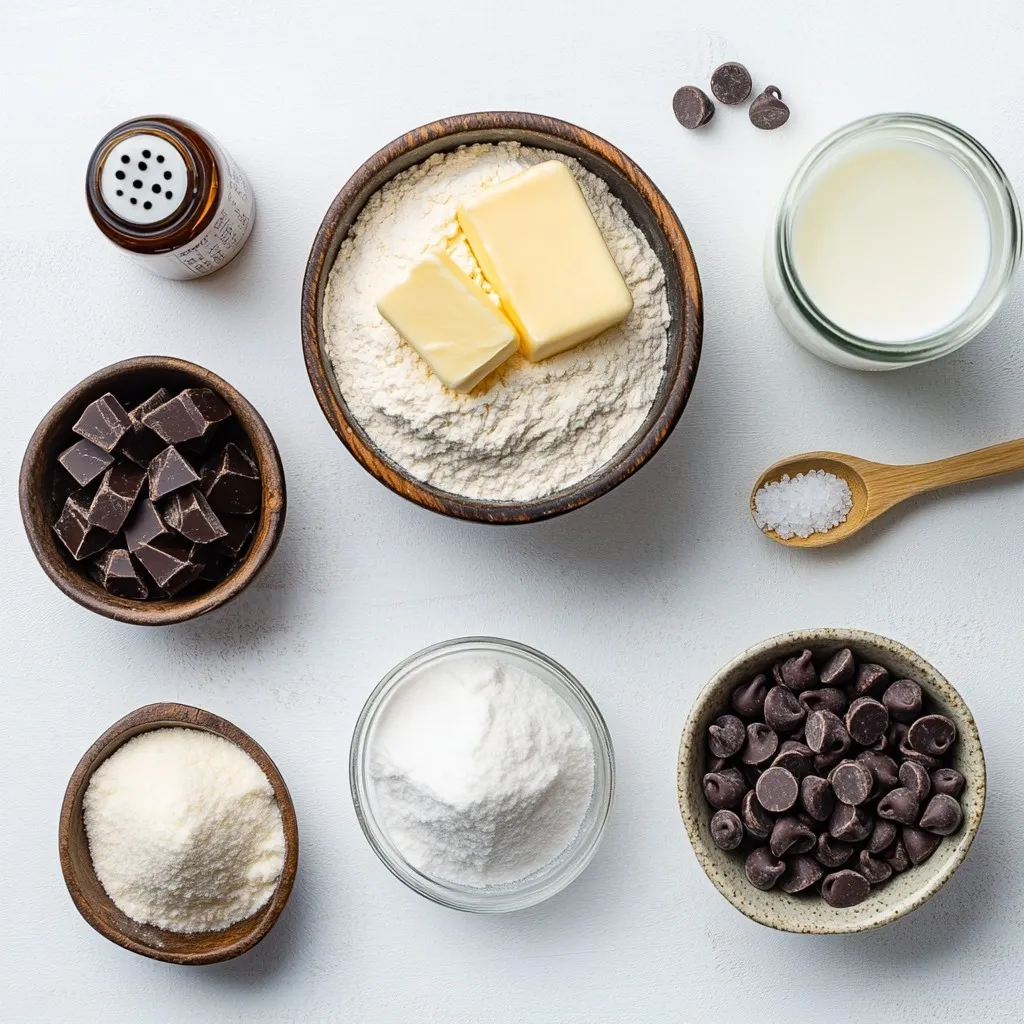
List of Ingredients
– 1 cup all-purpose flour (heat-treated)
– ½ cup unsalted butter, softened to room temperature
– ¾ cup brown sugar, packed tightly
– ¼ cup granulated sugar
– 2 teaspoons pure vanilla extract
– 2 tablespoons milk (adjust as needed)
– ½ cup semi-sweet chocolate chips
– Pinch of sea salt
Explanation of Each Ingredient
– All-purpose flour: This is the base for our cookie dough. We heat-treat it to make it safe.
– Unsalted butter: Softened butter adds creaminess and richness to the dough.
– Brown sugar: This sugar gives the dough a deep, lovely flavor. It makes it chewy and moist.
– Granulated sugar: This sugar adds sweetness and helps with the dough’s texture.
– Vanilla extract: This adds a warm flavor that makes the dough taste like home.
– Milk: Adjust the milk to change the dough’s consistency. It helps bind the ingredients.
– Semi-sweet chocolate chips: These chips add a sweet pop of chocolate in every bite.
– Sea salt: A pinch of salt balances the sweetness and enhances flavors.
Importance of Heat-Treated Flour
Heat-treated flour is key to making this cookie dough safe. Raw flour can contain harmful bacteria. By heating it to 160°F (71°C), we kill any germs. This step keeps our dough tasty and safe to eat. It’s easy to do and very important. Always remember to let it cool before mixing it with other ingredients. This step is crucial for enjoying cookie dough without worry!
Step-by-Step Instructions
Heating the Flour
First, we need to heat the flour. This step is key for safety. Preheat your oven to 350°F (175°C). Spread 1 cup of all-purpose flour evenly on a baking sheet. Bake the flour for 5 to 7 minutes. We want it to reach 160°F (71°C) to kill any bad bacteria. Once it’s done, take it out and let it cool completely.
Creaming the Butter and Sugars
Next, we’ll cream the butter and sugars. In a large bowl, combine ½ cup of softened unsalted butter, ¾ cup of packed brown sugar, and ¼ cup of granulated sugar. Use a hand mixer on medium speed. Beat the mixture until it’s light and fluffy, which takes about 2 to 3 minutes. This will help create a nice texture in the dough.
Mixing Ingredients and Forming Dough
Now, let’s mix in the other ingredients. Add 2 teaspoons of pure vanilla extract and 2 tablespoons of milk to the bowl. Mix until everything is smooth. Gradually add in the cooled, heat-treated flour and a pinch of sea salt. Mix on low speed until a dough forms. Finally, gently fold in ½ cup of semi-sweet chocolate chips. Make sure they’re spread evenly throughout.
If the dough feels too dry, add more milk a little at a time. Taste it to see if you like the texture. For firmer dough, cover it and chill for about 30 minutes before serving. Enjoy your safe-to-eat cookie dough!
Tips & Tricks
Ensuring Safety with Cookie Dough
To enjoy cookie dough safely, start with heat-treated flour. This step kills harmful bacteria. Preheat your oven to 350°F (175°C) and bake the flour for 5-7 minutes. Use a food thermometer to check that it reaches 160°F (71°C). Let the flour cool completely before mixing it in. This simple step makes your cookie dough safe to eat.
Achieving the Perfect Consistency
Getting the right texture is key. Cream the softened butter with both sugars until fluffy. This process takes about 2-3 minutes. Mix in the vanilla and milk. If your dough feels dry, add more milk a tablespoon at a time. Mix well after each addition. Taste it! You want it to be smooth and creamy but not runny.
Presentation Ideas for Serving
Serve your cookie dough in small ramekins for a fun touch. This keeps portions neat and tidy. You can also create a dessert platter. Pair the dough with ice cream or pancakes. A scoop of dough beside a dollop of ice cream looks enticing. Add sprinkles on top for extra flair. Enjoy sharing this treat with friends and family!
Pro Tips
- Heat Treatment is Key: Always heat-treat the flour to eliminate any potential bacteria, ensuring your cookie dough is safe to eat.
- Softened Butter Matters: Make sure your butter is at room temperature for optimal creaming, resulting in a light and fluffy texture.
- Adjusting Consistency: If the dough feels too dry, gradually add milk until you reach your desired texture—this helps achieve the perfect balance.
- Chilling for Scoopability: Refrigerate the dough for about 30 minutes if you prefer a firmer consistency, making it easier to scoop and serve.

Variations
Alternative Sweeteners
You can swap out sugars for other sweeteners. Try using maple syrup or honey. They add a unique flavor to your cookie dough. You might need less liquid when using these. Adjust the milk to get the right texture.
Adding Mix-Ins (Nuts, Sprinkles, etc.)
Mix-ins can make your cookie dough even more fun. Toss in chopped nuts for crunch or colorful sprinkles for a festive touch. You can also add dried fruits or candies for extra sweetness. Just fold them in gently to keep the dough smooth.
Vegan or Gluten-Free Options
To make vegan cookie dough, use plant-based butter. Replace milk with almond or oat milk. For gluten-free dough, use gluten-free flour blends. Make sure the flour is heat-treated to keep it safe. These swaps keep the dough tasty and friendly for different diets.
Storage Info
Best Practices for Storing Cookie Dough
To keep your cookie dough fresh, store it in an airtight container. This method prevents the dough from drying out or absorbing other odors in the fridge. If you want to keep it longer, wrap it tightly in plastic wrap before placing it in the container. Be sure to label the container with the date for easy reference.
How Long Does it Last?
When stored in the fridge, your safe-to-eat cookie dough will stay fresh for about one week. If you think you won’t use it within that time, freezing is a great option. Just remember to check for any signs of spoilage, like a strange smell or discoloration, before you use it.
Freezing Cookie Dough
To freeze your cookie dough, divide it into smaller portions. You can scoop it into balls or flatten it into a disc shape. Wrap each portion tightly in plastic wrap and place them in a freezer-safe bag. This way, you can pull out just what you need. The dough can last up to three months in the freezer. When you’re ready to enjoy it, simply thaw it in the fridge overnight before using.
FAQs
Is it safe to eat cookie dough?
Yes, it is safe to eat cookie dough when you use heat-treated flour. Baking regular flour may leave harmful bacteria. Heating the flour to 160°F (71°C) kills those bacteria. This way, you can enjoy your dough without worry!
Can I bake this cookie dough?
Yes, you can bake this cookie dough! Simply scoop it onto a baking sheet and bake at 350°F (175°C) for about 10-12 minutes. The dough will turn into delicious cookies. Just keep an eye on them so they don’t overbake.
How do I make it safe for children?
To make cookie dough safe for children, always use heat-treated flour. Avoid raw eggs in your recipe. This way, the dough is safe for everyone to enjoy. You can even let kids help mix the dough for a fun family activity!
In this article, we explored essential ingredients for safe cookie dough, including the need for heat-treated flour. I provided step-by-step instructions for making the dough and shared tips for perfect consistency and presentation. We also looked at variations like sweeteners and mix-ins, and discussed storage tips to keep your dough fresh. Remember, cookie dough can be safe and fun to eat with the right steps. Enjoy making your own delicious versions at hom
Safe-To-Eat Cookie Dough
Delicious and safe-to-eat cookie dough that can be enjoyed raw or as a topping.
Course Dessert
Cuisine American
Servings 4
Calories 150 kcal
- 1 cup all-purpose flour (heat-treated)
- 0.5 cup unsalted butter, softened to room temperature
- 0.75 cup brown sugar, packed tightly
- 0.25 cup granulated sugar
- 2 teaspoons pure vanilla extract
- 2 tablespoons milk (adjust as needed)
- 0.5 cup semi-sweet chocolate chips
- 1 pinch sea salt
Heat the Flour: Start by preheating your oven to 350°F (175°C). Spread the all-purpose flour evenly on a baking sheet and place it in the oven. Bake for 5-7 minutes, ensuring the flour reaches 160°F (71°C) to eliminate any harmful bacteria. Once done, remove from the oven and let it cool completely before using.
Cream the Butter and Sugars: In a large mixing bowl, combine the softened butter, brown sugar, and granulated sugar. Using a hand mixer, beat the mixture on medium speed until it becomes light and fluffy, typically about 2-3 minutes.
Incorporate Flavorings: Add in the vanilla extract and milk. Continue mixing until both ingredients are fully combined and the mixture is smooth.
Add Heat-Treated Flour: Gradually introduce the cooled, heat-treated flour along with a pinch of sea salt into the butter-sugar mixture. Mix on low speed until a cohesive dough forms.
Fold in the Chocolate Chips: Gently fold the semi-sweet chocolate chips into the dough using a spatula, ensuring that they are evenly distributed throughout the mixture.
Taste and Adjust Consistency: Take a small taste of the dough. If it seems too dry, incrementally add more milk by the tablespoon, mixing well after each addition until you achieve your desired consistency.
Chill (Optional): For a firmer dough that’s easier to scoop, cover the bowl with plastic wrap and refrigerate for about 30 minutes before serving.
Serve and Enjoy: Scoop out portions of the dough and indulge raw, or use it creatively as a delightful topping for ice cream, pancakes, or even as a treat in desserts!
Serve in small ramekins or as a topping for ice cream.
Keyword cookie dough, dessert, safe to eat
WANT TO SAVE THIS RECIPE?