WANT TO SAVE THIS RECIPE?
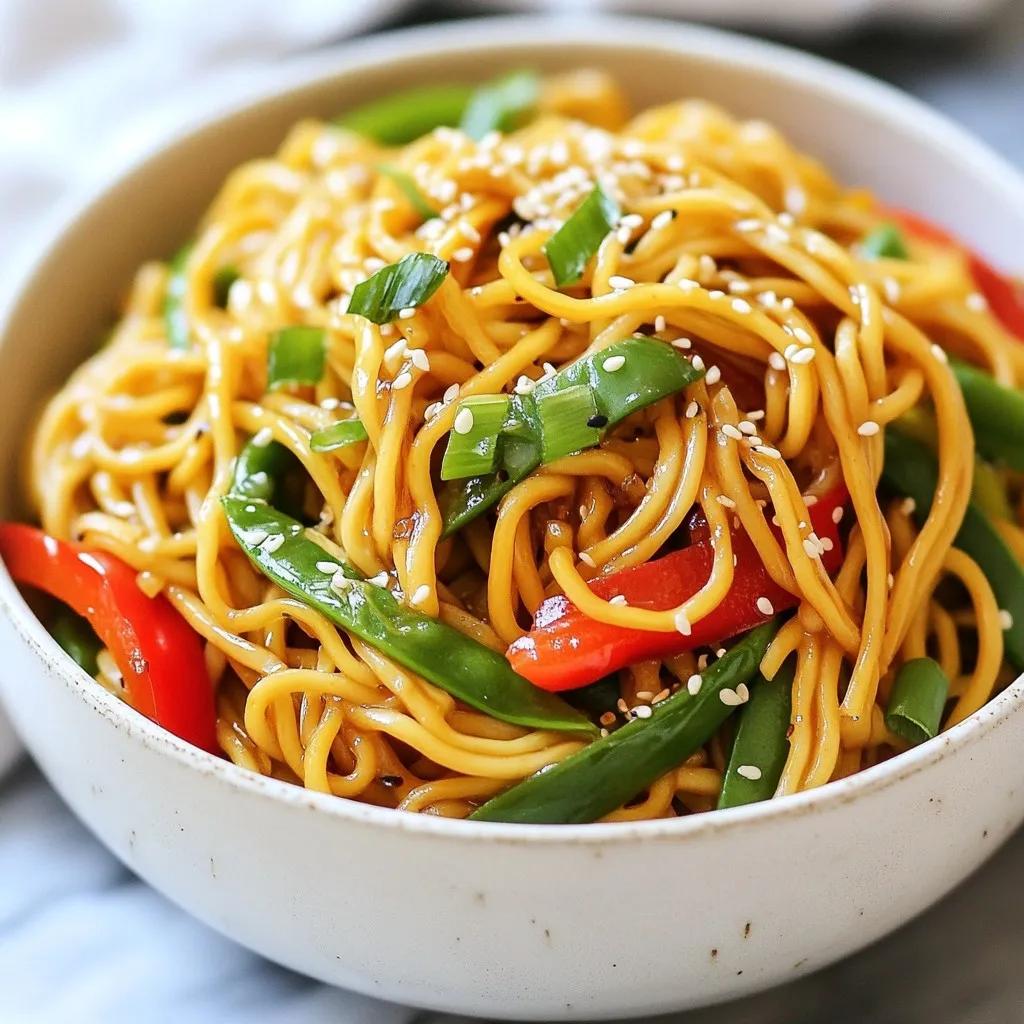
Looking for a quick and tasty meal? These Easy Szechuan Noodles are your answer! With bold flavors and simple steps, I’ll guide you through a delicious recipe that anyone can master. Whether you’re a busy parent or a novice cook, this dish will save you time and satisfy your cravings. Ready? Let’s dive into the world of spicy Szechuan goodness!
Why I Love This Recipe
- Bold Flavors: The combination of Szechuan peppercorns and chili flakes creates a unique flavor profile that excites the palate.
- Quick and Easy: With a total time of just 20 minutes, this dish is perfect for a busy weeknight dinner without sacrificing taste.
- Colorful Presentation: The vibrant colors of the bell peppers and snap peas make this dish visually appealing and enticing.
- Customizable: This recipe can easily be adapted with your favorite vegetables or proteins, making it versatile for any preference.
Ingredients
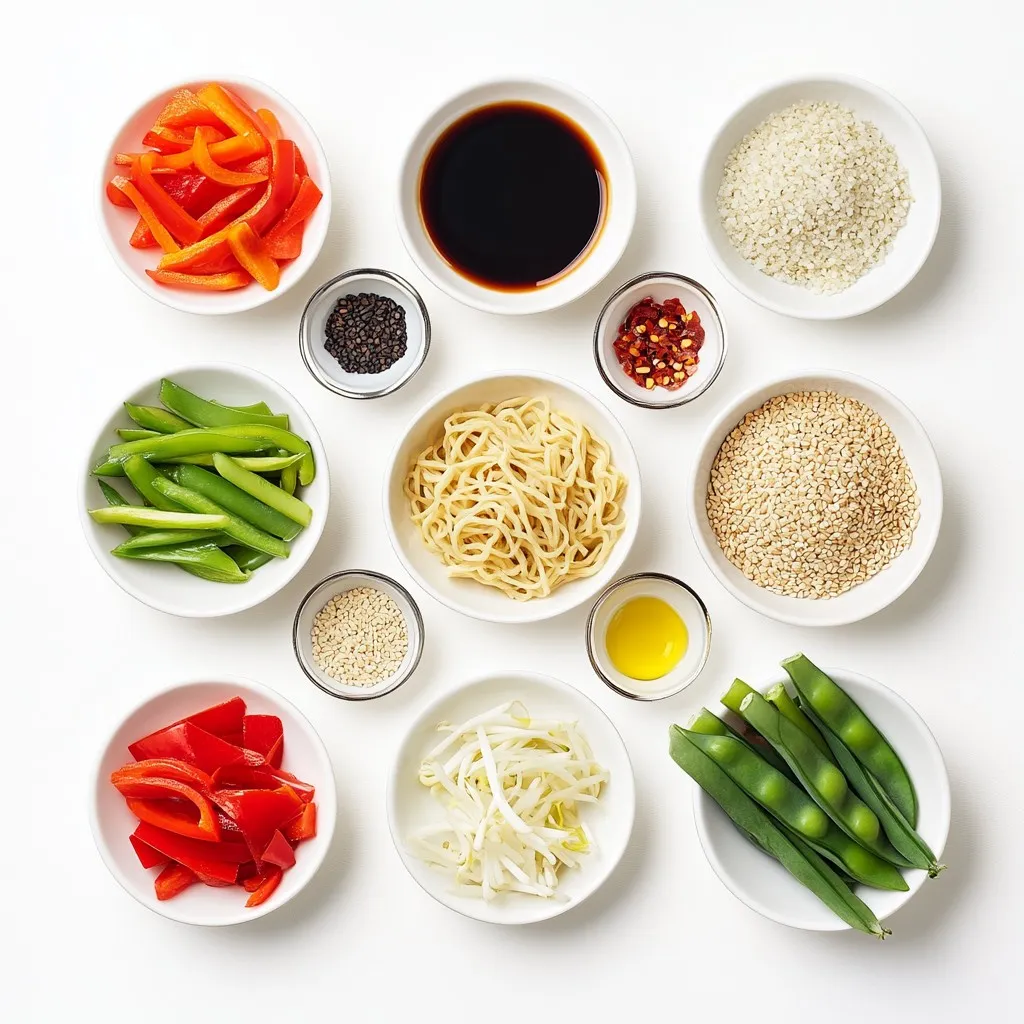
List of Main Ingredients
– 8 oz. noodles (egg or rice noodles)
– 1 tablespoon vegetable oil
– 2 cloves garlic, minced
– 1 tablespoon ginger, grated
– 1 red bell pepper, sliced
– 1 green bell pepper, sliced
– 1 cup snap peas, trimmed
– 3 green onions, chopped
– 2 tablespoons soy sauce
– 1 tablespoon rice vinegar
– 1 tablespoon sesame oil
– 1 tablespoon Szechuan peppercorns, crushed
– 1 teaspoon chili flakes
– Salt, to taste
– Toasted sesame seeds for garnish
Optional Ingredients for Added Flavor
– Fresh cilantro for garnish
– Additional vegetables like carrots or broccoli
– Protein sources like cooked chicken or tofu
Notes on Freshness and Quality
Using fresh ingredients makes a big difference. Look for bright, crisp vegetables. Choose firm noodles for the best bite. Fresh garlic and ginger have stronger flavors. Always check the expiration dates on sauces to ensure quality. This attention to detail will elevate your Szechuan noodles to a new level.
Step-by-Step Instructions
How to Cook the Noodles
To start, boil a large pot of water. Add 8 oz. of your choice of noodles. For a quick meal, I recommend egg noodles or rice noodles. Cook them as per the package instructions until they are al dente. Once done, drain the noodles and rinse them under cold water. This stops the cooking. Set the noodles aside for later.
Preparing the Szechuan Sauce
In a small bowl, mix together the sauce. Combine 2 tablespoons of soy sauce, 1 tablespoon of rice vinegar, and 1 tablespoon of sesame oil. Add 1 tablespoon of crushed Szechuan peppercorns and 1 teaspoon of chili flakes. Whisk it all together until smooth. Set this spicy sauce aside for now.
Sautéing Aromatics and Vegetables
Heat 1 tablespoon of vegetable oil in a large skillet or wok on medium heat. Add 2 cloves of minced garlic and 1 tablespoon of grated ginger. Stir these for about 30 seconds. You want them fragrant but not burnt. Next, add 1 sliced red bell pepper, 1 sliced green bell pepper, and 1 cup of snap peas. Stir-fry for about 3-4 minutes. The veggies should be bright and tender but still crisp.
Combining Noodles with Sauce
Now, it’s time to mix everything. Gently add the drained noodles to the skillet. Pour in the Szechuan sauce you prepared earlier. Toss all ingredients together for about 2-3 minutes. Ensure the noodles are well coated in the sauce and heated through.
Serving Suggestions
Finally, stir in 3 chopped green onions. Taste the noodles and add salt if needed. Then, serve the Szechuan noodles in deep bowls. For a nice touch, sprinkle toasted sesame seeds on top. You can add extra bell pepper slices or a sprig of cilantro for color. Enjoy!
Tips & Tricks
Best Practices for Cooking Noodles
To cook noodles perfectly, start with a big pot of water. Bring it to a boil first. Add your noodles and stir them gently. Check the package for timing. Once they are al dente, drain them quickly. Rinse under cold water to stop cooking. This keeps them firm and prevents sticking.
Customizing the Spice Level
Adjusting the spice level is easy. If you like more heat, add more chili flakes or Szechuan peppercorns. If you prefer mild, use less. Remember, taste as you go! You can always add more spice later, but you can’t take it out.
Making It Vegetarian or Vegan
To make these noodles vegetarian, skip the meat and focus on fresh veggies. For a vegan version, ensure your sauces are plant-based. Soy sauce is usually vegan, but check the label. You can also replace any non-vegan ingredients with vegan options. Try adding tofu or tempeh for protein.
Pro Tips
- Choose Your Noodles Wisely: Depending on your texture preference, egg noodles offer a richer taste while rice noodles provide a lighter, chewier bite.
- Customize Your Spice Level: Adjust the amount of chili flakes and Szechuan peppercorns according to your heat tolerance for a personalized kick.
- Fresh Ingredients Matter: Using fresh garlic, ginger, and crisp vegetables enhances the overall flavor and texture of the dish.
- Get Creative with Garnishes: Consider adding fresh herbs like cilantro or mint, or even sliced radishes, for an extra layer of flavor and color.
Variations
Protein Additions (Chicken, Tofu, etc.)
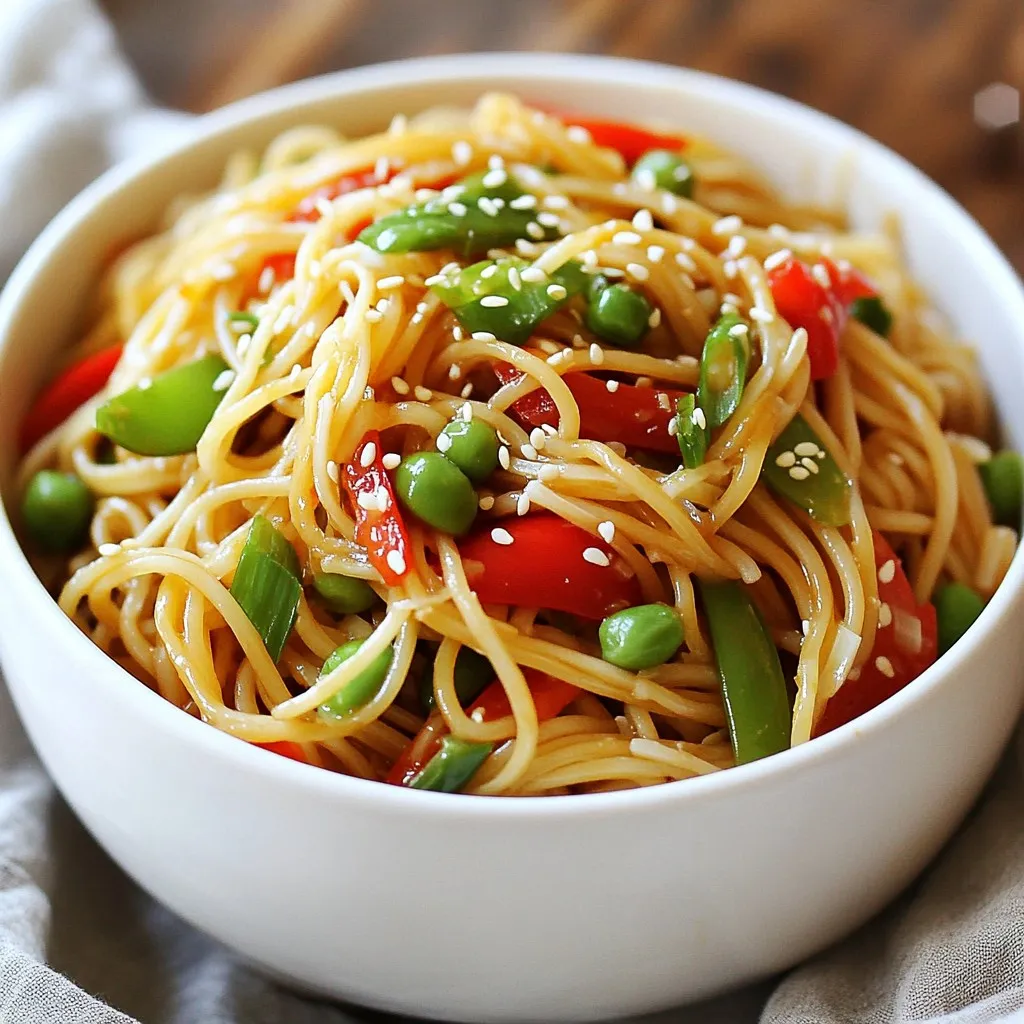
You can easily add protein to your Szechuan noodles. Chicken is a popular choice. Use about 1 cup of cooked, shredded chicken. It adds a nice flavor and texture. Tofu is another great option. Use firm or extra-firm tofu. Simply cube it and sauté until golden. You can also try shrimp or beef for a different twist. Just make sure to cook the protein well before adding it to the noodles.
Vegetable Substitutions and Additions
Feel free to mix up the veggies in your dish. You can use broccoli or carrots for a crunchy bite. Snow peas work well too and add a nice sweetness. If you want a greener touch, add zucchini or bok choy. Just remember to cut all vegetables into even strips or pieces. This ensures they cook evenly and look great on your plate.
Gluten-Free Options
If you’re looking for a gluten-free version, choose rice noodles. They cook quickly and taste great. You can also use gluten-free soy sauce. This keeps all the flavors without the gluten. For a twist, try zucchini noodles or spaghetti squash as a base. These options add a unique touch while keeping it light and healthy.
Storage Info
How to Store Leftovers
To store your leftover Szechuan noodles, allow them to cool first. Place the noodles in an airtight container. Make sure to keep the vegetables mixed in. Refrigerate them for up to three days. This keeps the flavors fresh and the noodles tasty.
Reheating Instructions
When you are ready to enjoy your leftovers, take them out of the fridge. Add a splash of water or soy sauce to keep them moist. Use a skillet over medium heat or a microwave. Stir occasionally to heat evenly. The noodles should be hot in just a few minutes.
Freezing Tips for Meal Prep
Freezing Szechuan noodles is easy for meal prep. Pack the cooled noodles in freezer-safe bags. Remove as much air as possible before sealing. They can last in the freezer for up to three months. To eat, thaw in the fridge overnight and reheat as mentioned above. Enjoy the taste of Szechuan any time!
FAQs
How do I know when the noodles are al dente?
You can tell when the noodles are al dente by tasting them. They should be firm but not hard. Follow the package instructions for cooking time. Usually, it takes about 6 to 8 minutes. Drain them once they are cooked. Rinse them briefly under cold water to stop the cooking. This step helps keep them firm.
Can I use different types of noodles?
Yes, you can use different types of noodles! Egg noodles and rice noodles work well for this dish. You can even try udon or soba noodles if you like. Each type will give a different texture and flavor. Just adjust the cooking time based on the noodle type you choose.
What can I substitute for Szechuan peppercorns?
If you can’t find Szechuan peppercorns, you can use black pepper or crushed red pepper. However, they won’t give the same unique flavor. You may also try a mix of ground coriander and a bit of cayenne for some heat. This won’t match the flavor exactly, but it will still taste great.
How spicy are Szechuan noodles?
The spice level of Szechuan noodles can vary. It depends on the amount of chili flakes you add. The recipe calls for 1 teaspoon, which gives a nice kick. If you prefer less heat, use less chili. If you want more spice, add more chili flakes or even hot sauce. Always taste as you go!
In this blog post, we covered key ingredients for Szechuan noodles and how to make them. You learned to cook noodles, prepare sauce, and sauté aromatics. I shared tips for flavor, spice levels, and even dietary options. We discussed variations with proteins and veggies, plus storage tips for leftovers.
In summary, you can enjoy delicious Szechuan noodles at home. Follow these steps, get creative, and make it your ow
Zesty Szechuan Noodles
A vibrant and flavorful noodle dish with a spicy Szechuan sauce and fresh vegetables.
Course Main Course
Cuisine Chinese
Servings 2
Calories 400 kcal
- 8 oz noodles (egg or rice)
- 1 tablespoon vegetable oil
- 2 cloves garlic, finely minced
- 1 tablespoon ginger, grated or minced
- 1 red bell pepper thinly sliced into strips
- 1 green bell pepper thinly sliced into strips
- 1 cup snap peas, ends trimmed
- 3 green onions finely chopped
- 2 tablespoons soy sauce (low-sodium preferred)
- 1 tablespoon rice vinegar
- 1 tablespoon sesame oil
- 1 tablespoon Szechuan peppercorns, lightly crushed
- 1 teaspoon chili flakes
- to taste salt
- to taste toasted sesame seeds for garnish
Cook the Noodles: Begin by bringing a large pot of water to a rolling boil. Add the noodles and cook according to the package instructions until al dente. Once cooked, drain the noodles, rinse them briefly under cold water to stop the cooking process, and set aside.
Prepare the Szechuan Sauce: In a small mixing bowl, combine the soy sauce, rice vinegar, sesame oil, crushed Szechuan peppercorns, and chili flakes. Whisk well until combined and set aside for later use.
Sauté Aromatics: Heat the vegetable oil in a large skillet or wok over medium heat. Add the minced garlic and ginger, stirring continuously for about 30 seconds to 1 minute until fragrant and golden. Be careful not to burn them.
Add Vegetables: Incorporate the sliced red and green bell peppers along with the snap peas into the skillet. Stir-fry the mixture for about 3-4 minutes until the vegetables are vibrant in color and just tender but still crisp.
Combine Noodles: Gently add the drained noodles to the skillet, followed by the prepared Szechuan sauce. Toss everything together thoroughly, making sure the noodles are well coated in the flavorful sauce and heated through, about 2-3 minutes.
Finish and Serve: Stir in the chopped green onions and taste. Adjust seasoning with salt if required, keeping in mind that the soy sauce adds some saltiness as well.
Plating: Carefully transfer the Szechuan noodles to serving bowls. Garnish each portion with a generous sprinkle of toasted sesame seeds on top for an added crunch and a touch of flair.
Consider serving the noodles in deep bowls for a cozy presentation.
Keyword noodles, spicy, Szechuan, vegetarian
WANT TO SAVE THIS RECIPE?