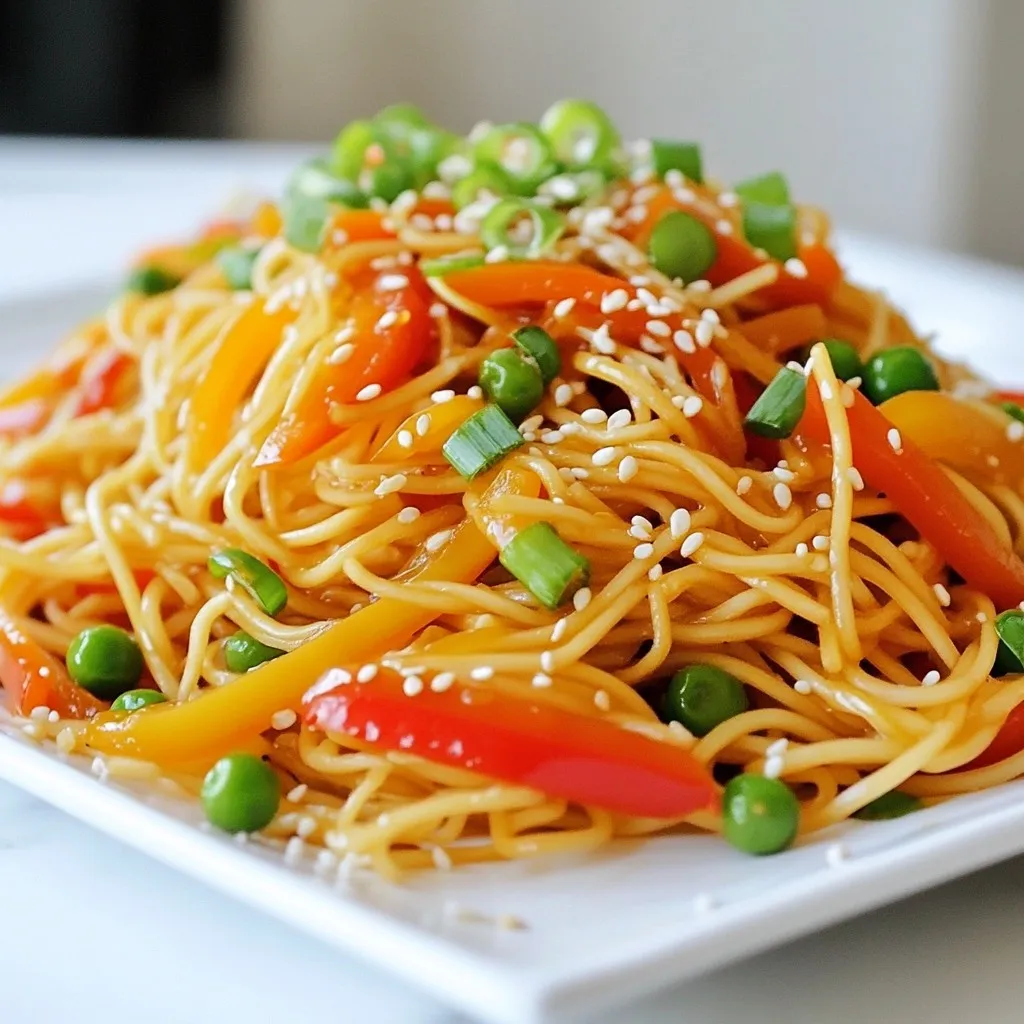
Better-Than-Takeout Chow Mein Flavorful and Fast Meal

WANT TO SAVE THIS RECIPE?

Craving chow mein that’s better than takeout? You’re in the right place! I’ll guide you through a quick and easy recipe with fresh ingredients. We’ll use simple steps to cook flavorful noodles loaded with crisp vegetables and your choice of protein. Whether you’re feeding a family or just yourself, this dish is packed with taste and takes less time than ordering takeout. Let’s get cooking!

Why I Love This Recipe

  1. Quick and Easy: This chow mein recipe can be prepared in just 20 minutes, making it perfect for busy weeknights.
  2. Healthy Ingredients: Packed with fresh vegetables like bell peppers and snap peas, it offers a nutritious alternative to takeout.
  3. Customizable: You can easily switch up the vegetables or add protein like chicken or tofu to suit your taste.
  4. Delicious Flavor: The combination of soy sauce, oyster sauce, and hoisin sauce delivers an irresistible umami flavor.

Ingredients

Essential Ingredients for Chow Mein

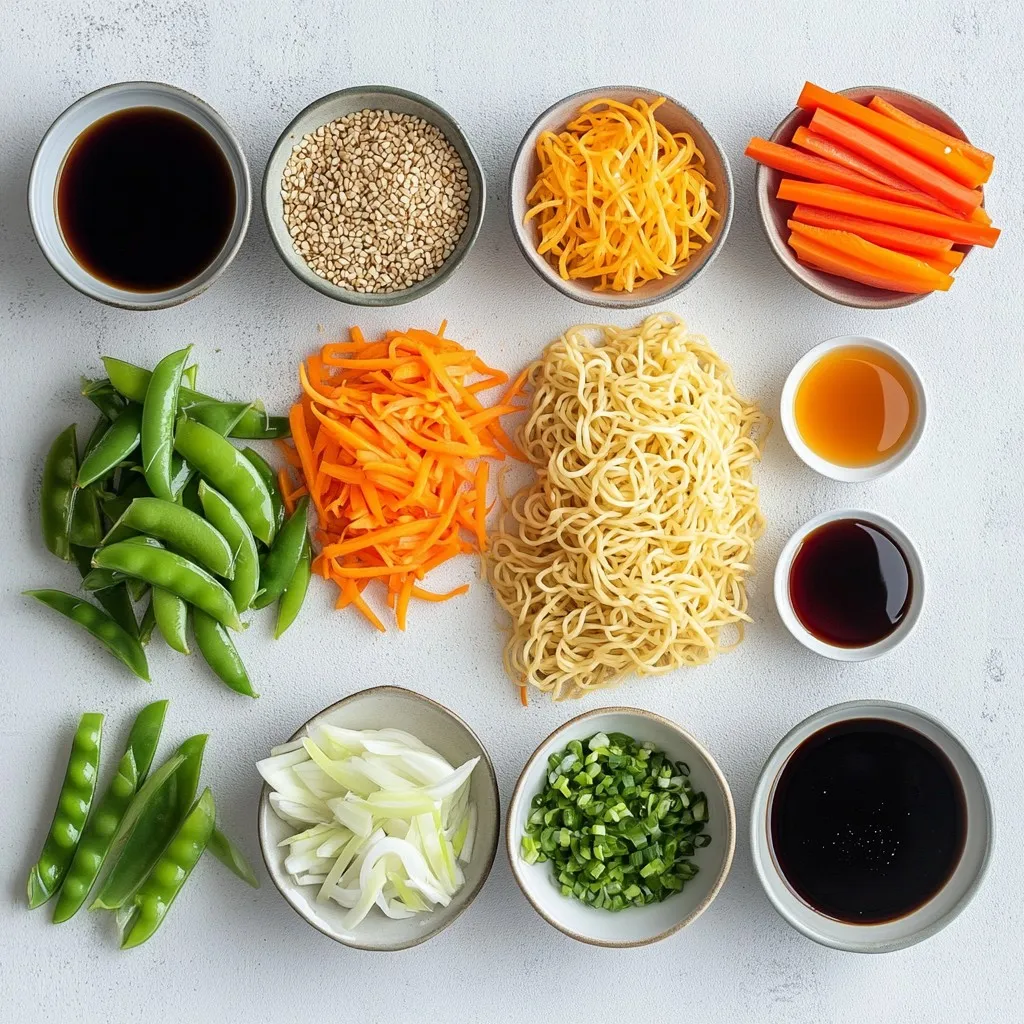
To make a great chow mein, you need a few key items. These ingredients create the classic taste that beats takeout.

– 8 ounces chow mein noodles

– 2 tablespoons sesame oil

– 1 cup shredded carrots

– 1 cup bell pepper, sliced (any color)

– 1 cup snap peas

– 1 small onion, thinly sliced

– 3 cloves garlic, minced

– 1 tablespoon fresh ginger, grated

– ¼ cup soy sauce

– 2 tablespoons oyster sauce (or vegetarian alternative)

– 1 tablespoon hoisin sauce

– 1 teaspoon sugar

– ½ teaspoon black pepper

Chow mein noodles are the base. They soak up all the flavors. Fresh vegetables add color and crunch. The sauces give it a rich taste.

Optional Garnishes

Garnishes can take your chow mein to the next level. They add flavor and style to your dish.

– Green onions, sliced

– Sesame seeds

– Fresh herbs

Green onions add a fresh bite. Sesame seeds give a nice crunch. Fresh herbs brighten the dish. Use these garnishes to impress your guests.
Step-by-Step Instructions

Cooking the Noodles

Start by boiling a large pot of salted water. Once the water bubbles, add 8 ounces of chow mein noodles. Cook them for about 4-5 minutes. You want them tender but firm to the bite. After cooking, drain the noodles. Rinse them under cold water. This step helps prevent stickiness. Set them aside for later.

Preparing the Vegetables

Next, heat 2 tablespoons of sesame oil in a large wok over medium-high heat. When the oil shimmers, add your thinly sliced onion, 1 cup of shredded carrots, and 1 cup of sliced bell pepper. Sauté these veggies for 3-4 minutes. They should soften and turn bright in color. Now, add 1 cup of snap peas, 3 cloves of minced garlic, and 1 tablespoon of grated ginger. Stir-fry for 1-2 minutes. The garlic should smell great, and the veggies need to stay crisp-tender.

Combining Ingredients

Gently toss the cooked chow mein noodles into the vegetable mix in the wok. Make sure everything is evenly distributed. In a small bowl, mix together ¼ cup of soy sauce, 2 tablespoons of oyster sauce (or a vegetarian option), 1 tablespoon of hoisin sauce, 1 teaspoon of sugar, and ½ teaspoon of black pepper. Pour this sauce over the noodles and vegetables. Use tongs or spatulas to toss everything together. Cook for another 2-3 minutes. This step helps the flavors meld and gives the noodles a slight crispiness.

Tips & Tricks

Achieving Authentic Flavor

To make your chow mein taste like it came from a restaurant, focus on sauces and oils. Use high-quality sesame oil for a nutty flavor. For sauces, combine soy sauce, oyster sauce, and hoisin sauce. These add depth and richness.

Balancing flavors is key. Add sugar to enhance sweetness and black pepper for heat. A touch of fresh ginger brings warmth. Adjust these to your taste for the best result.

Cooking Techniques

Stir-frying is the heart of chow mein. Start with a hot wok or pan. High heat cooks food quickly and keeps it crisp. Add your oil and let it shimmer before cooking.

When stir-frying, keep the food moving. This prevents burning and helps it cook evenly. Cook in small batches if needed. This way, you keep the heat up and your veggies stay bright and crunchy.

Pro Tips

  1. Use Fresh Ingredients: For the best flavor and texture, opt for fresh vegetables and high-quality sauces. This ensures your chow mein tastes vibrant and delicious.
  2. Don’t Overcook the Noodles: Follow the package instructions carefully and avoid overcooking the chow mein noodles. They should be tender but still have a slight bite to them.
  3. Customize Your Veggies: Feel free to experiment with different vegetables based on your preference or what you have on hand. Broccoli, bok choy, or mushrooms work great in chow mein.
  4. Adjust the Sauce to Taste: Taste the sauce mixture before adding it to the wok. Adjust the soy sauce or hoisin sauce to your liking for a more personalized flavor profile.

Variations

Protein Additions

You can add different proteins to your chow mein. Chicken, beef, or tofu all work well.

– For chicken, cut it into thin strips. Cook it for about 5-7 minutes before adding the veggies.

– For beef, use flank steak or sirloin. Cook it quickly for 3-5 minutes until just browned.

– For tofu, press it to remove water. Cut it into cubes and stir-fry for about 4-5 minutes until golden.

These choices let you customize the dish. Choose what you like best!

Vegetable Swaps

Feel free to mix in seasonal veggies. You can tailor the dish to what you enjoy.

Broccoli adds a nice crunch. Just steam it lightly before adding.

Mushrooms bring a rich flavor. Sauté them with the onions.

Zucchini can add a fresh taste. Slice it thin and toss it in.

This way, you can make chow mein your own. Adjust the recipe based on what’s in season or what you have at home. Enjoy being creative!

Storage Info

Proper Storage Methods

To keep your Better-Than-Takeout Chow Mein fresh, follow these steps:

Refrigeration tips for leftovers:

– Let the chow mein cool to room temperature.

– Store it in an airtight container.

– It can last in the fridge for up to 3 days.

Freezing for long-term storage:

– Freeze chow mein in a freezer-safe container.

– It keeps well for up to 2 months.

– Make sure to label the container with the date.

Reheating Instructions

To enjoy your chow mein later, reheating is key:

Best practices to maintain texture:

– Add a splash of water to the chow mein before reheating.

– This helps steam it and keeps it moist.

Recommended methods for reheating:

– Use a skillet over medium heat.

– Stir frequently until heated through.

– You can also microwave it in short bursts, stirring in between.

This way, your chow mein stays tasty and enjoyable!

FAQs

Can I make chow mein gluten-free?

Yes, you can easily make chow mein gluten-free. For noodles, look for rice noodles or gluten-free chow mein noodles. They cook well and taste great. For sauces, use tamari instead of soy sauce. Tamari is a gluten-free alternative. Always check labels to ensure no gluten is hidden in other sauces.

How do I make chow mein vegetarian?

To make chow mein vegetarian, switch to vegetarian sauces. Use soy sauce, hoisin sauce, and a vegetarian oyster sauce. You can find these at many grocery stores. Add more veggies too! Consider using mushrooms, broccoli, or zucchini for extra flavor and nutrients. This will keep your dish hearty and satisfying.

How long does homemade chow mein last?

Homemade chow mein lasts about 3 to 4 days in the fridge. Store it in an airtight container. Look for signs of spoilage, like off-smells or mold. To keep it fresh longer, store the noodles and vegetables separately. This way, you can enjoy your dish for more meals!

In this article, we explored the key ingredients for chow mein, focusing on noodles, vegetables, and sauces. I shared step-by-step cooking instructions and tips for authentic flavor and technique. We also looked at variations, storage methods, and answers to common questions.

Chow mein is versatile and easy to make. You can customize it to fit your taste. With these tips, you can enjoy a delicious dish any time. Start cooking and make your own perfect chow mei

To make a great chow mein, you need a few key items. These ingredients create the classic taste that beats takeout. - 8 ounces chow mein noodles - 2 tablespoons sesame oil - 1 cup shredded carrots - 1 cup bell pepper, sliced (any color) - 1 cup snap peas - 1 small onion, thinly sliced - 3 cloves garlic, minced - 1 tablespoon fresh ginger, grated - ¼ cup soy sauce - 2 tablespoons oyster sauce (or vegetarian alternative) - 1 tablespoon hoisin sauce - 1 teaspoon sugar - ½ teaspoon black pepper Chow mein noodles are the base. They soak up all the flavors. Fresh vegetables add color and crunch. The sauces give it a rich taste. Garnishes can take your chow mein to the next level. They add flavor and style to your dish. - Green onions, sliced - Sesame seeds - Fresh herbs Green onions add a fresh bite. Sesame seeds give a nice crunch. Fresh herbs brighten the dish. Use these garnishes to impress your guests. {{ingredient_image_2}} Start by boiling a large pot of salted water. Once the water bubbles, add 8 ounces of chow mein noodles. Cook them for about 4-5 minutes. You want them tender but firm to the bite. After cooking, drain the noodles. Rinse them under cold water. This step helps prevent stickiness. Set them aside for later. Next, heat 2 tablespoons of sesame oil in a large wok over medium-high heat. When the oil shimmers, add your thinly sliced onion, 1 cup of shredded carrots, and 1 cup of sliced bell pepper. Sauté these veggies for 3-4 minutes. They should soften and turn bright in color. Now, add 1 cup of snap peas, 3 cloves of minced garlic, and 1 tablespoon of grated ginger. Stir-fry for 1-2 minutes. The garlic should smell great, and the veggies need to stay crisp-tender. Gently toss the cooked chow mein noodles into the vegetable mix in the wok. Make sure everything is evenly distributed. In a small bowl, mix together ¼ cup of soy sauce, 2 tablespoons of oyster sauce (or a vegetarian option), 1 tablespoon of hoisin sauce, 1 teaspoon of sugar, and ½ teaspoon of black pepper. Pour this sauce over the noodles and vegetables. Use tongs or spatulas to toss everything together. Cook for another 2-3 minutes. This step helps the flavors meld and gives the noodles a slight crispiness. To make your chow mein taste like it came from a restaurant, focus on sauces and oils. Use high-quality sesame oil for a nutty flavor. For sauces, combine soy sauce, oyster sauce, and hoisin sauce. These add depth and richness. Balancing flavors is key. Add sugar to enhance sweetness and black pepper for heat. A touch of fresh ginger brings warmth. Adjust these to your taste for the best result. Stir-frying is the heart of chow mein. Start with a hot wok or pan. High heat cooks food quickly and keeps it crisp. Add your oil and let it shimmer before cooking. When stir-frying, keep the food moving. This prevents burning and helps it cook evenly. Cook in small batches if needed. This way, you keep the heat up and your veggies stay bright and crunchy. Pro Tips Use Fresh Ingredients: For the best flavor and texture, opt for fresh vegetables and high-quality sauces. This ensures your chow mein tastes vibrant and delicious. Don’t Overcook the Noodles: Follow the package instructions carefully and avoid overcooking the chow mein noodles. They should be tender but still have a slight bite to them. Customize Your Veggies: Feel free to experiment with different vegetables based on your preference or what you have on hand. Broccoli, bok choy, or mushrooms work great in chow mein. Adjust the Sauce to Taste: Taste the sauce mixture before adding it to the wok. Adjust the soy sauce or hoisin sauce to your liking for a more personalized flavor profile. {{image_4}} You can add different proteins to your chow mein. Chicken, beef, or tofu all work well. - For chicken, cut it into thin strips. Cook it for about 5-7 minutes before adding the veggies. - For beef, use flank steak or sirloin. Cook it quickly for 3-5 minutes until just browned. - For tofu, press it to remove water. Cut it into cubes and stir-fry for about 4-5 minutes until golden. These choices let you customize the dish. Choose what you like best! Feel free to mix in seasonal veggies. You can tailor the dish to what you enjoy. - Broccoli adds a nice crunch. Just steam it lightly before adding. - Mushrooms bring a rich flavor. Sauté them with the onions. - Zucchini can add a fresh taste. Slice it thin and toss it in. This way, you can make chow mein your own. Adjust the recipe based on what’s in season or what you have at home. Enjoy being creative! To keep your Better-Than-Takeout Chow Mein fresh, follow these steps: - Refrigeration tips for leftovers: - Let the chow mein cool to room temperature. - Store it in an airtight container. - It can last in the fridge for up to 3 days. - Freezing for long-term storage: - Freeze chow mein in a freezer-safe container. - It keeps well for up to 2 months. - Make sure to label the container with the date. To enjoy your chow mein later, reheating is key: - Best practices to maintain texture: - Add a splash of water to the chow mein before reheating. - This helps steam it and keeps it moist. - Recommended methods for reheating: - Use a skillet over medium heat. - Stir frequently until heated through. - You can also microwave it in short bursts, stirring in between. This way, your chow mein stays tasty and enjoyable! Yes, you can easily make chow mein gluten-free. For noodles, look for rice noodles or gluten-free chow mein noodles. They cook well and taste great. For sauces, use tamari instead of soy sauce. Tamari is a gluten-free alternative. Always check labels to ensure no gluten is hidden in other sauces. To make chow mein vegetarian, switch to vegetarian sauces. Use soy sauce, hoisin sauce, and a vegetarian oyster sauce. You can find these at many grocery stores. Add more veggies too! Consider using mushrooms, broccoli, or zucchini for extra flavor and nutrients. This will keep your dish hearty and satisfying. Homemade chow mein lasts about 3 to 4 days in the fridge. Store it in an airtight container. Look for signs of spoilage, like off-smells or mold. To keep it fresh longer, store the noodles and vegetables separately. This way, you can enjoy your dish for more meals! In this article, we explored the key ingredients for chow mein, focusing on noodles, vegetables, and sauces. I shared step-by-step cooking instructions and tips for authentic flavor and technique. We also looked at variations, storage methods, and answers to common questions. Chow mein is versatile and easy to make. You can customize it to fit your taste. With these tips, you can enjoy a delicious dish any time. Start cooking and make your own perfect chow mein!

Better-Than-Takeout Chow Mein

A delicious and easy homemade chow mein that rivals takeout.
Course Main Course
Cuisine Chinese
Servings 4
Calories 350 kcal

Ingredients
  

  • 8 ounces chow mein noodles
  • 2 tablespoons sesame oil
  • 1 cup shredded carrots
  • 1 cup bell pepper, sliced (any color)
  • 1 cup snap peas
  • 1 small onion, thinly sliced
  • 3 cloves garlic, minced
  • 1 tablespoon fresh ginger, grated
  • ¼ cup soy sauce
  • 2 tablespoons oyster sauce (or vegetarian alternative)
  • 1 tablespoon hoisin sauce
  • 1 teaspoon sugar
  • ½ teaspoon black pepper
  • 2 green onions sliced (for garnish)
  • to taste sesame seeds (for garnish)

Instructions
 

  • Cook the Noodles: Begin by bringing a large pot of salted water to a boil. Once boiling, add the chow mein noodles and cook according to the package instructions, usually for about 4-5 minutes, or until tender yet firm to the bite. Once cooked, drain the noodles and rinse them under cold water to prevent sticking. Set aside.
  • Heat the Oil: In a large wok or a non-stick frying pan, pour in the sesame oil and place it over medium-high heat, allowing the oil to warm up until shimmering.
  • Sauté the Vegetables: Add the thinly sliced onion, shredded carrots, and bell pepper to the hot oil. Sauté these vegetables for about 3-4 minutes until they begin to soften and brighten in color. Next, incorporate the snap peas along with the minced garlic and grated ginger into the mix. Continue stir-frying for an additional 1-2 minutes until the garlic is aromatic and the veggies are cooked but still crisp.
  • Combine with Noodles: Gently toss the reserved chow mein noodles into the vegetable mixture in the wok, ensuring an even distribution.
  • Add Sauces: In a small bowl, whisk together the soy sauce, oyster sauce (or its vegetarian equivalent), hoisin sauce, sugar, and black pepper until well combined. Pour this sauce mixture over the noodles and vegetables in the wok. Using tongs or two wooden spatulas, gently toss everything together, making sure the noodles and vegetables are evenly coated in the flavorful sauce.
  • Finish Cooking: Stir-fry the chow mein mixture for an additional 2-3 minutes, allowing everything to heat through thoroughly and enabling the noodles to acquire a slight crispiness at the edges.
  • Serve and Garnish: Once fully cooked, remove the chow mein from the heat and transfer it to a serving platter. Top with sliced green onions and a generous sprinkle of sesame seeds for an appealing finish before serving.

Notes

For a vibrant presentation, consider serving the chow mein in individual bowls, garnished with additional sesame seeds and a sprig of fresh cilantro if desired.
Keyword chow mein, noodles, stir-fry, vegetables

WANT TO SAVE THIS RECIPE?